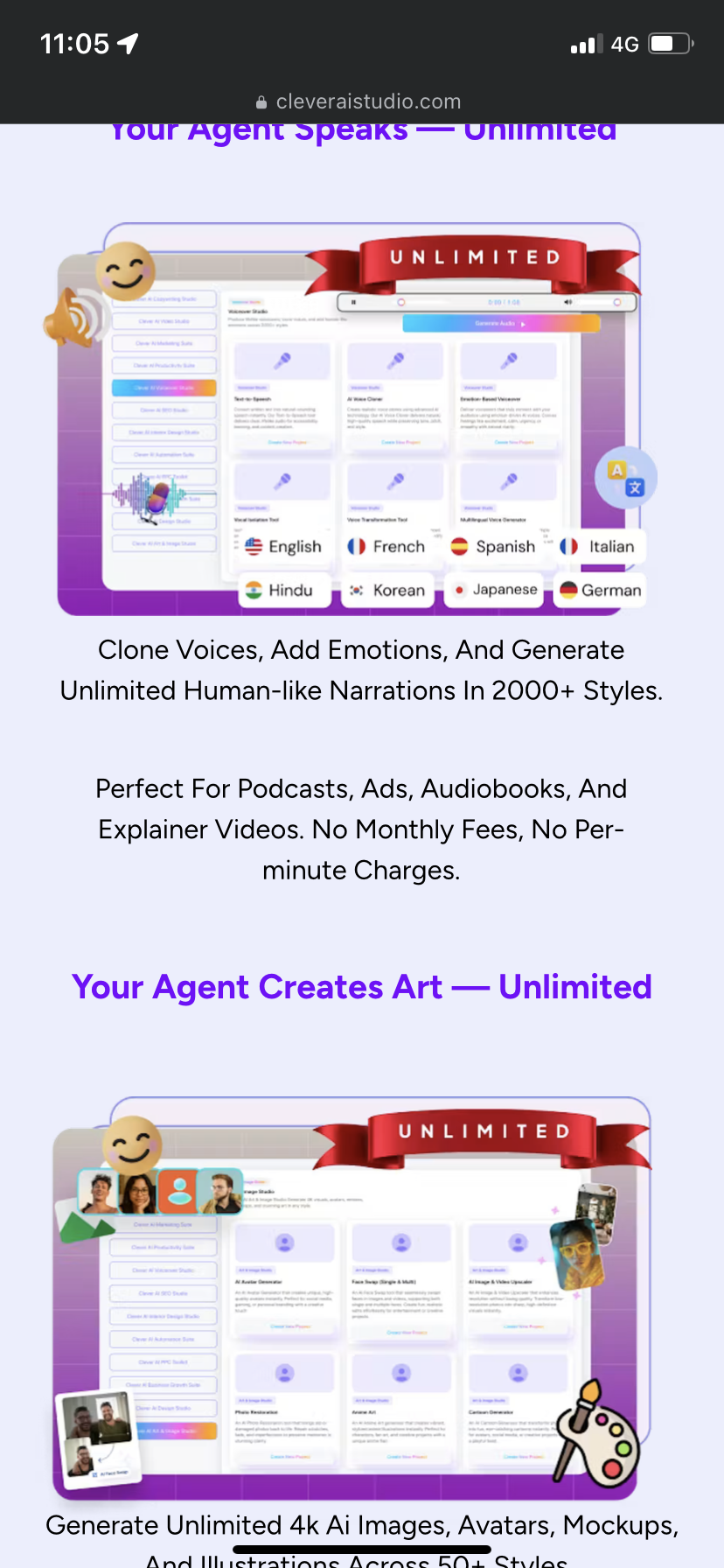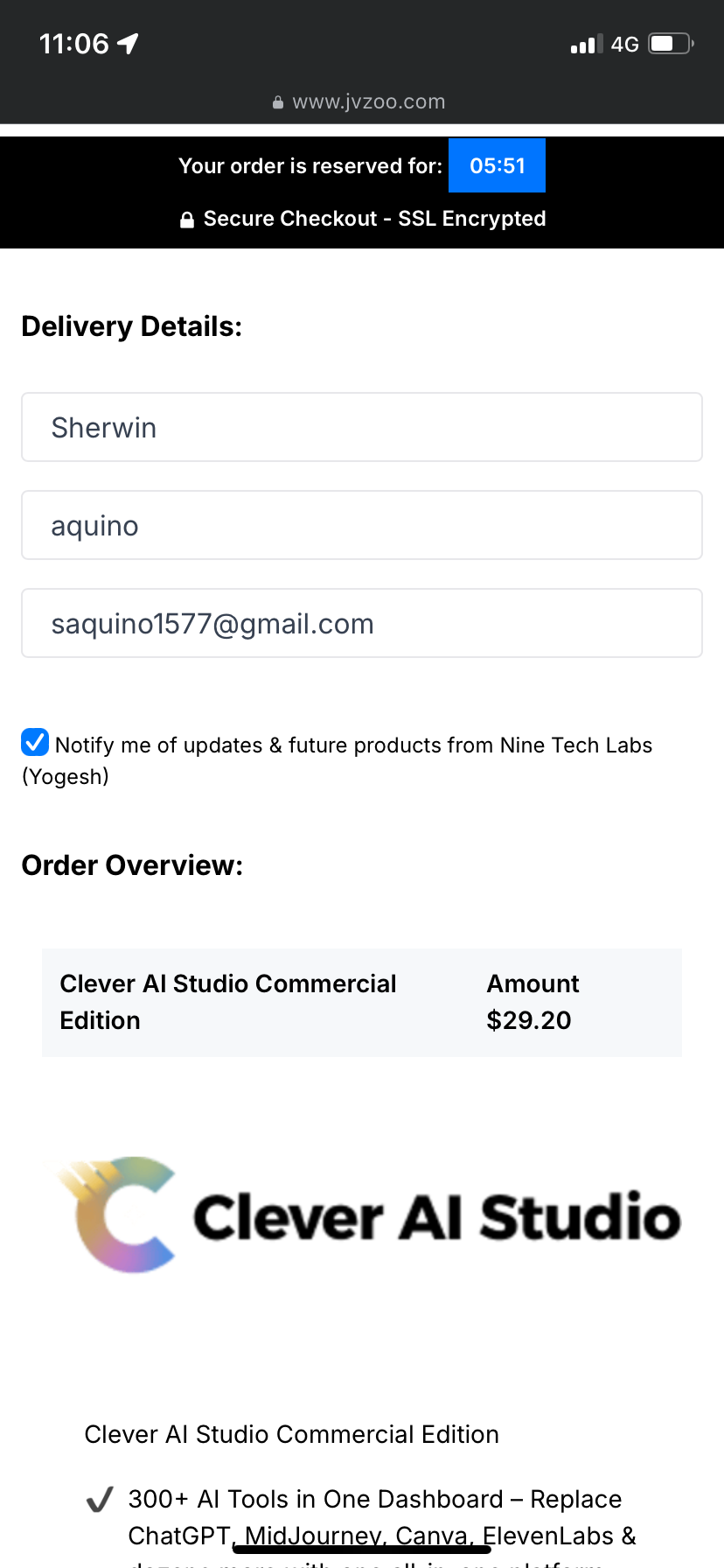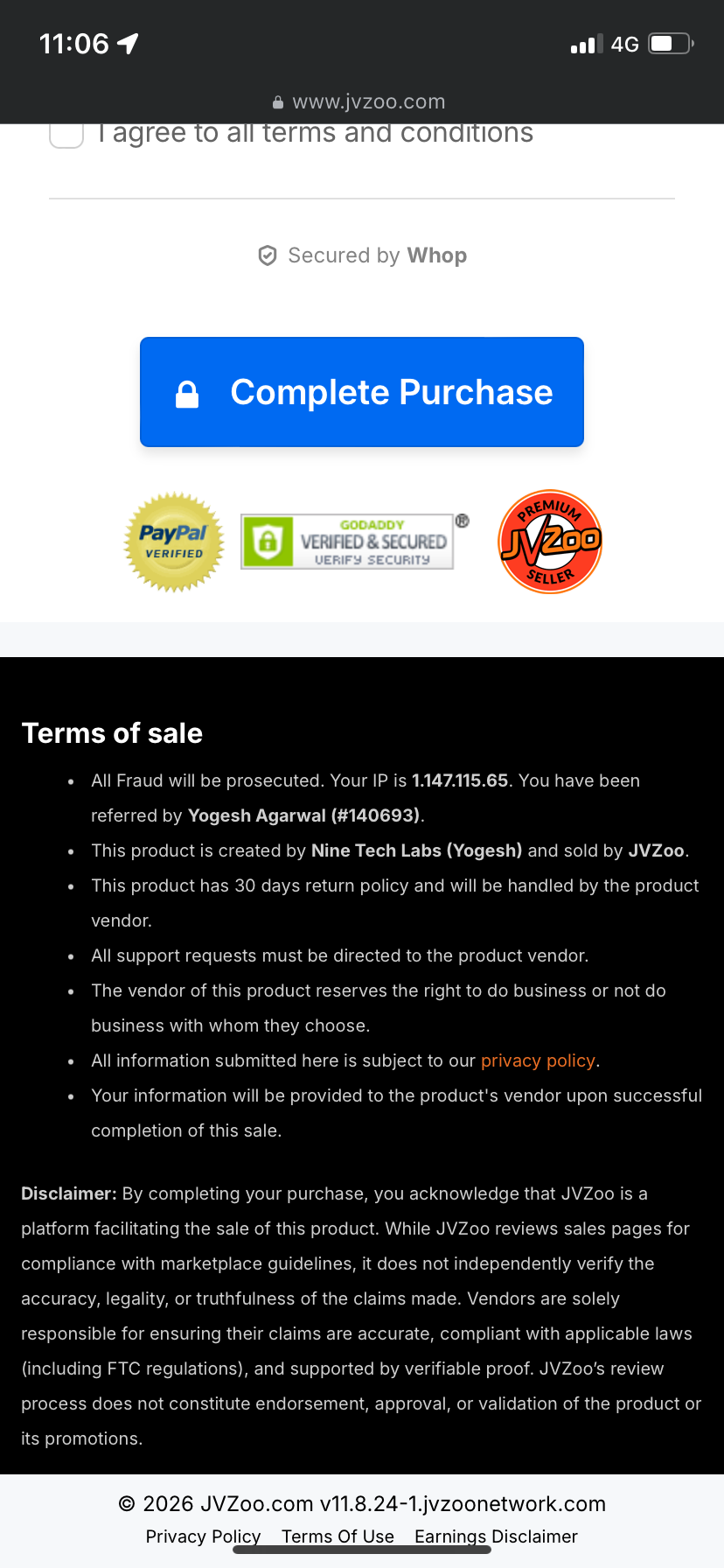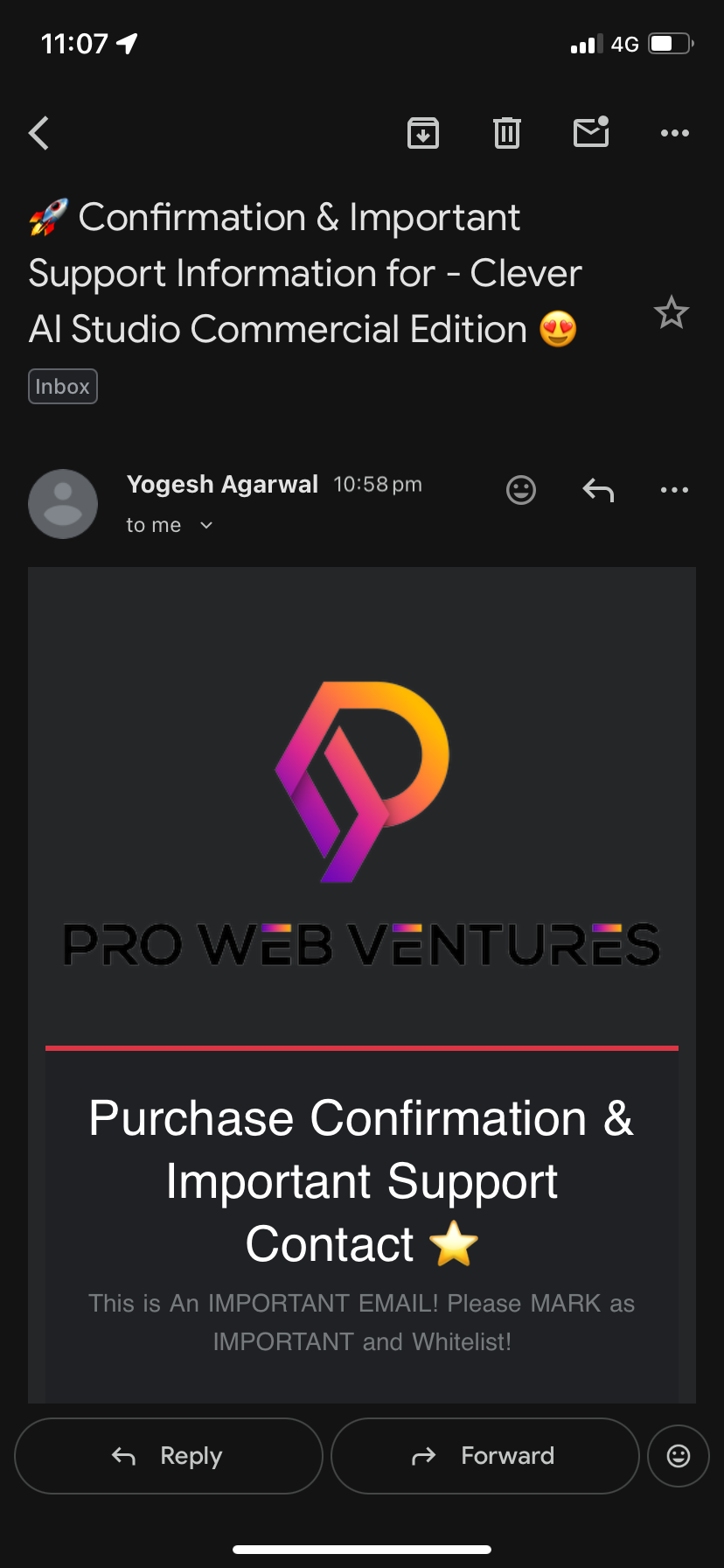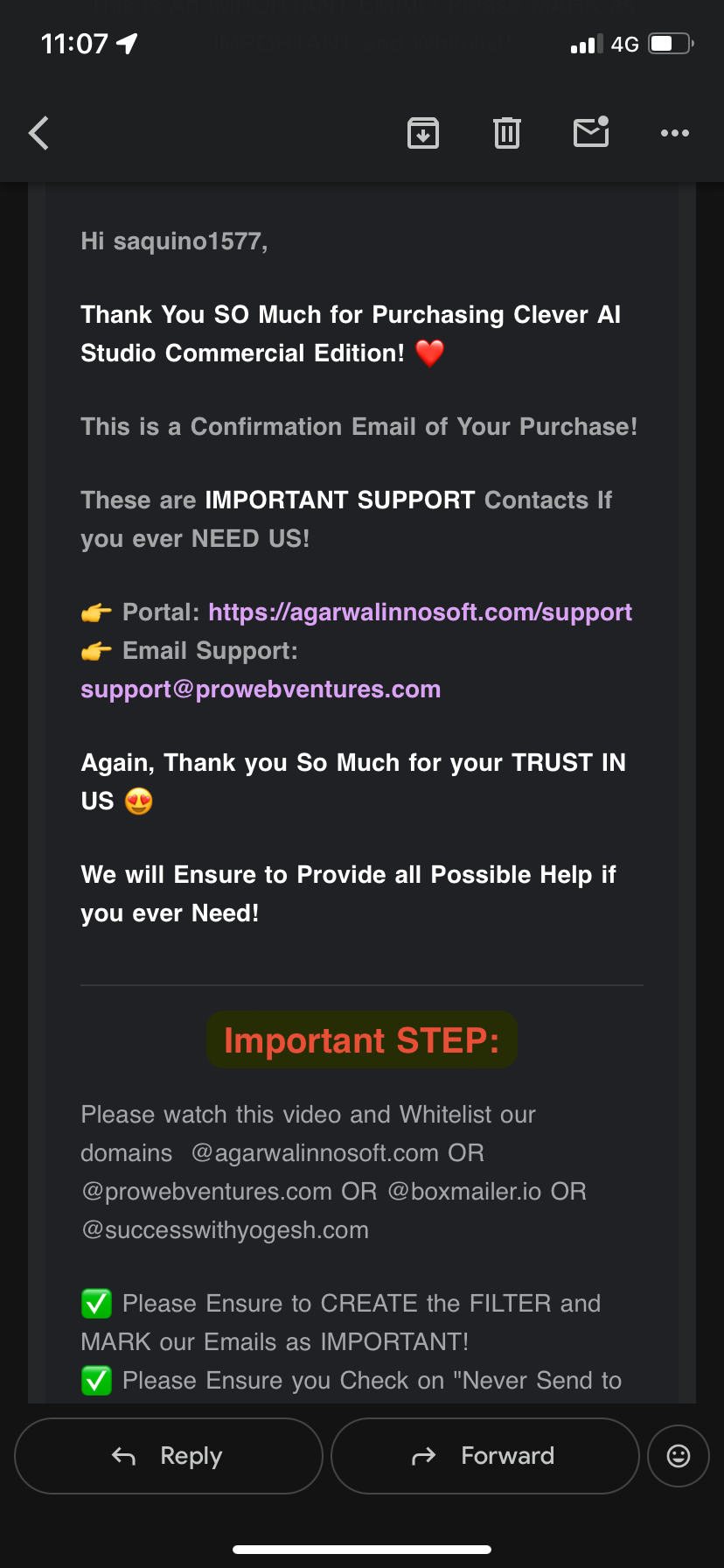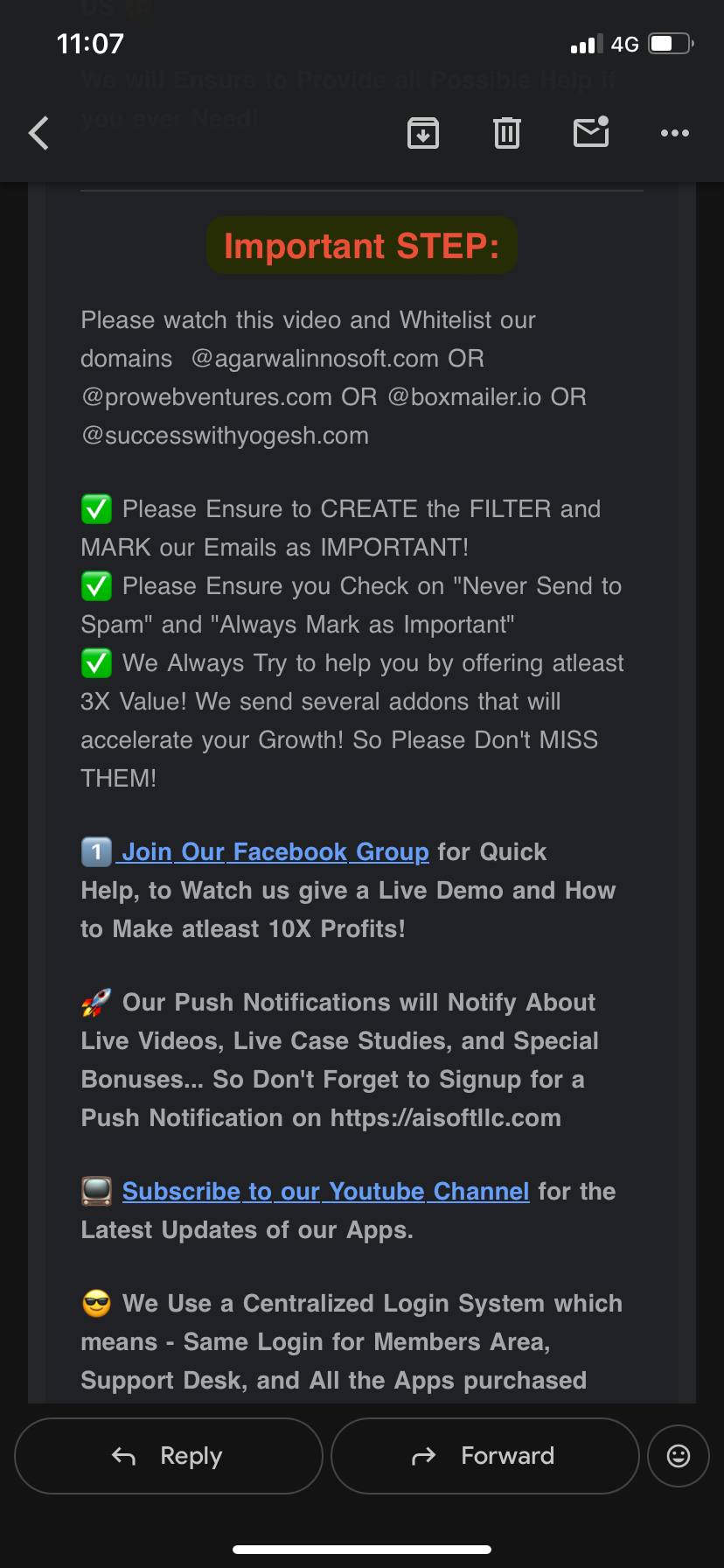
A $29 purchase that documents everything wrong with platform advertising — and why Section 11 exists.
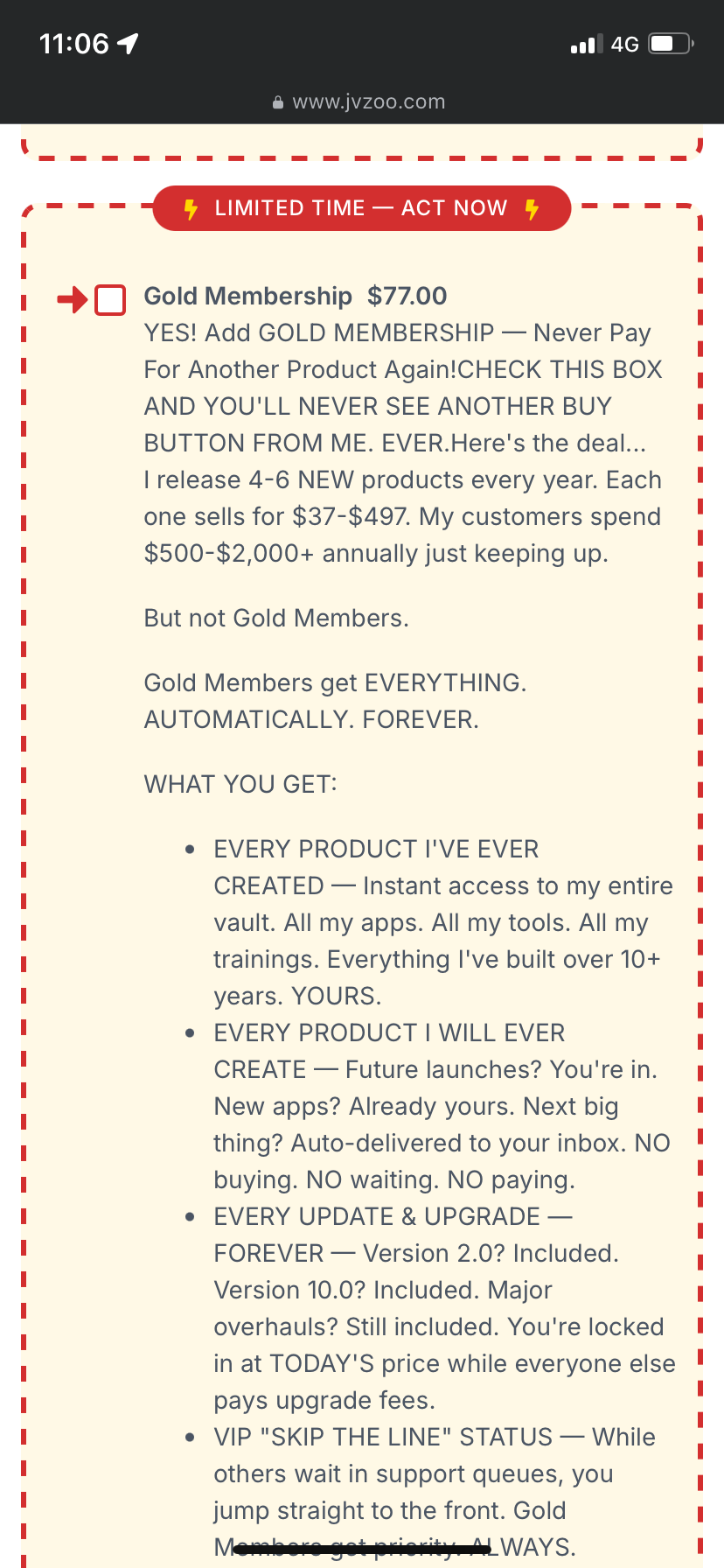
The $77 Gold Membership upsell appears on the same checkout page, before the primary product ($29.20) is even delivered. The victim has not yet received the promised "300+ AI Tools." They are already being pushed toward the next tier. This is Type 2 Destroyer architecture — escalate before the victim realises they have been conned.
Every price point is a commitment. Every commitment makes the next one feel rational. By the time the victim realises the product doesn't work, they have already paid far more than the initial $29.
| Step | Price | Promise | Reality |
|---|---|---|---|
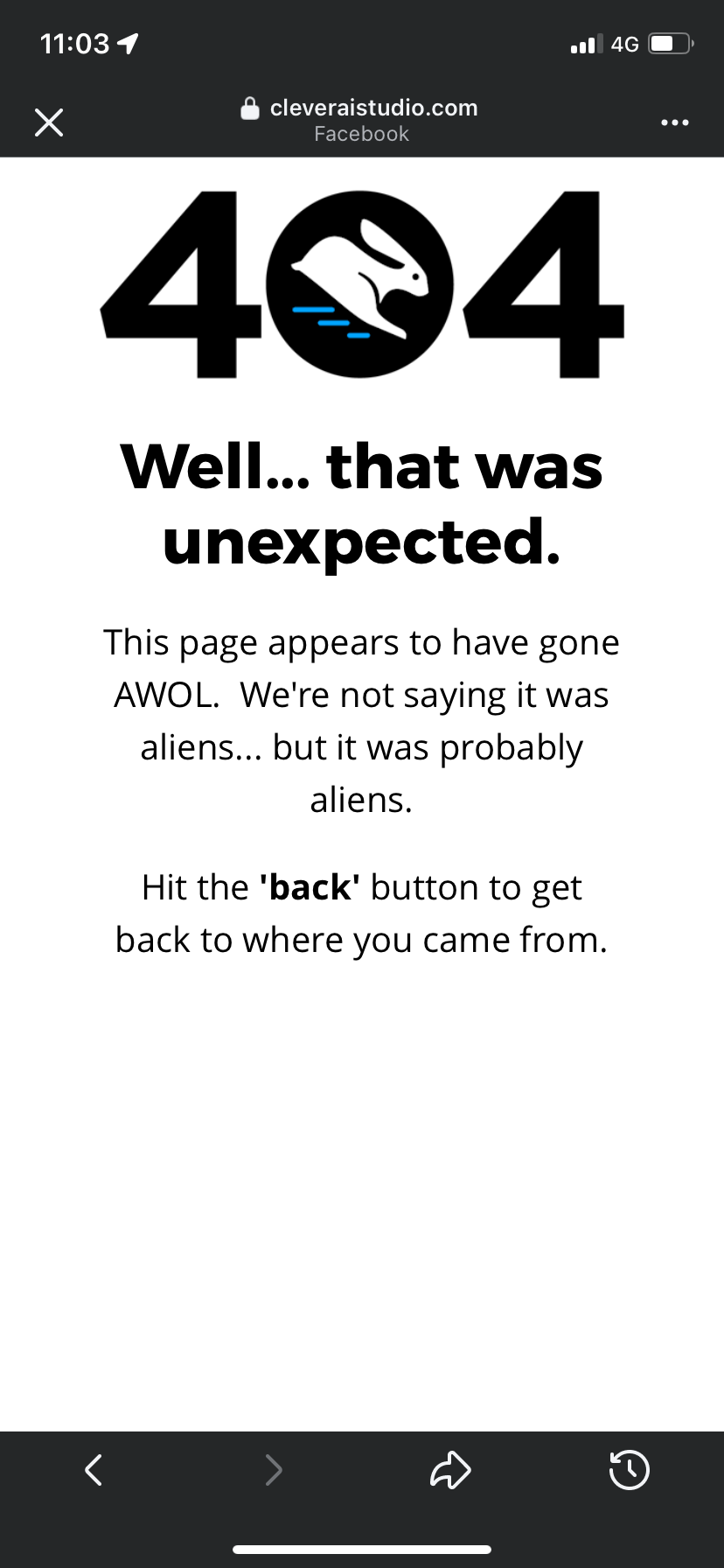
| Entry | $29.20 | “300+ AI Tools in One Dashboard” | Confirmation email + dead links. No product delivered. |
| Upsell 1 | $77 | “Gold Membership — EVERYTHING. FOREVER.” | More promises layered on top of a broken product. No delivery. |
| Upsell 2 | $37–$497 | “4–6 NEW products every year” | Deeper in the funnel. Further from a refund. Closer to the sunk-cost psychology trap. |
| Total Victim Exposure | Up to $500+ | Complete AI toolkit — lifetime access | Error pages and 404s. Shame prevents reporting. Platform never sees the complaint. |
The established six-character fraud model mapped to the Clever AI Studio operation. Every role was filled. Every element was present.
Three institutions profited from this transaction. Zero provided accountability. Section 11 exists to change that.
Meta had Data Awareness and Capability to Act. The deliberate inaction — not running a link-resolution check before approving an ad for a product with a known history of dead links — satisfies condition (c) of the Platform Complicity Doctrine. Revenue was collected. Victim was harmed. Platform profited.
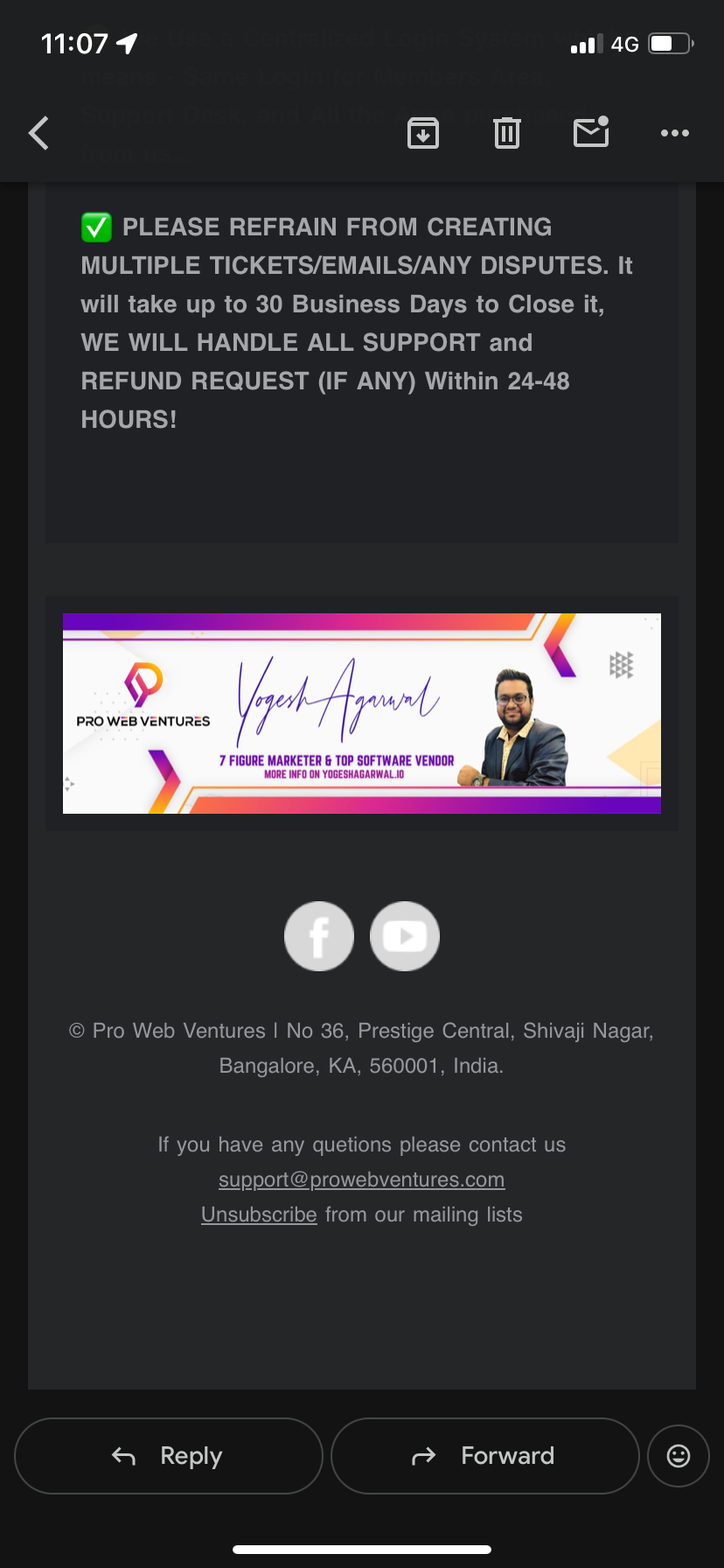
JVZoo knowingly operates a marketplace where seller verification is disclaimed in advance, refunds are routed to vendors with dead links, and the 30-day response window exceeds reasonable support expectations. The disclaimer is not a legal shield — it is evidence of knowledge.
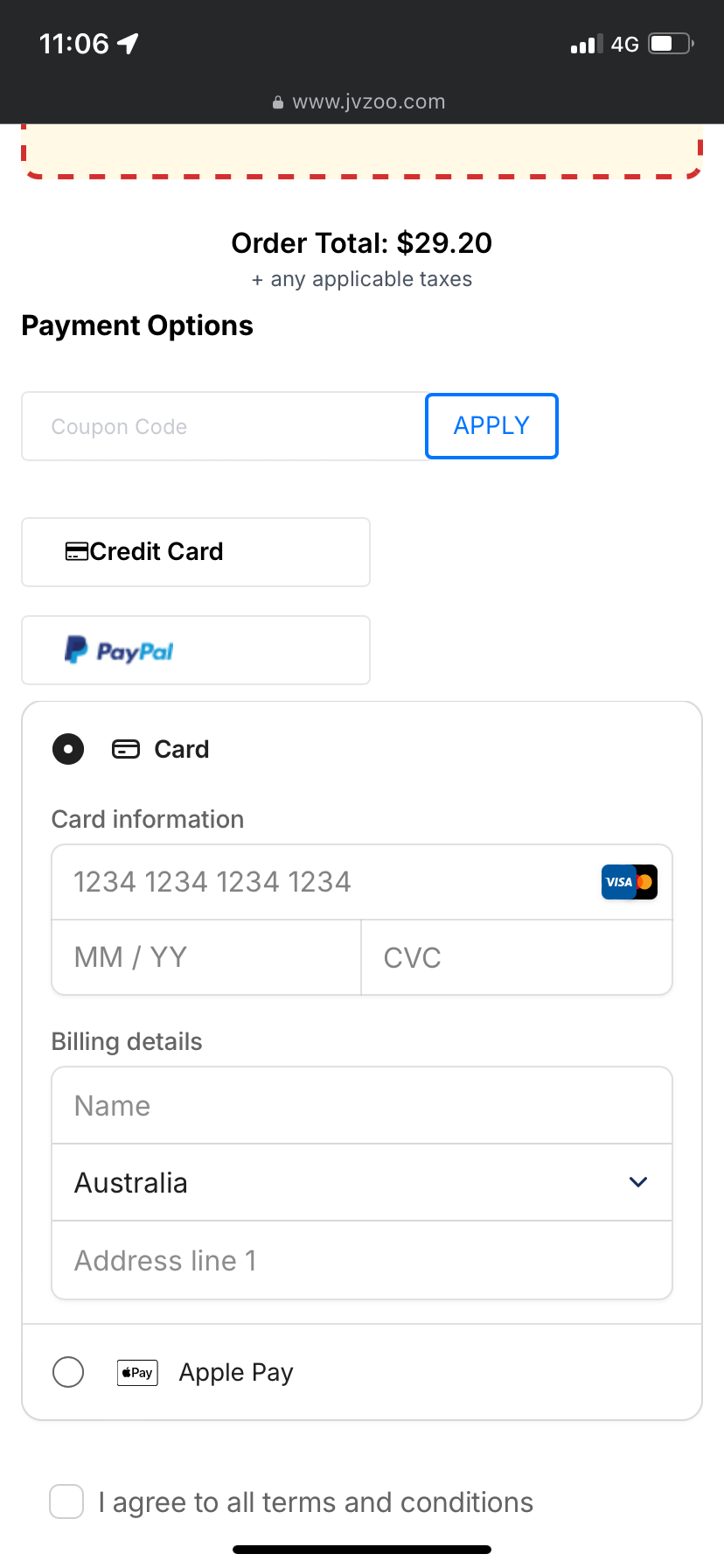
The victim had no mechanism to recover funds. Credit card chargeback window: typically 120 days but psychologically closed long before. The 30-business-day support window was calibrated to exceed the expectation of resolution. The trap was designed.
Every failure point in the Clever AI Studio transaction is something FraudShield-AIT can detect and flag at pre-approval. Meta had none of these checks. They chose not to build them.
| Check | FraudShield-AIT™ | |
|---|---|---|
| Ad link resolves? | ✗ Never checked | ✓ Pre-approval link validation |
| Product actually exists? | ✗ Not their jurisdiction | ✓ Delivery verification & uptime monitoring |
| Vendor identity verified? | ✗ Credit card is enough | ✓ ABN/entity check across multiple registries |
| Upsell chain mapped? | ✗ They profit from each tier | ✓ Escalation pattern flagged automatically |
| Refund attrition detected? | ✗ Not their problem | ✓ Support suppression language flagged |
| Multi-domain rotation? | ✗ Each domain treated separately | ✓ Entity linking across 4+ domains |
| Domain age & history? | ✗ No review | ✓ Freshly registered domains flagged as high-risk |
| Evidence chain preserved? | ✗ Screenshot not retained | ✓ Immutable audit log with timestamp and hash |
Why victims pay more after the product fails. The psychology is deliberate. The trap is engineered.
Each payment creates a psychological investment. Admitting you were scammed requires acknowledging you made a bad decision. Humans delay that acknowledgement. During the delay, they get another email: “Your upgrade is waiting.”
Meanwhile, the victim never files a complaint with Facebook or JVZoo — because that requires admitting they were scammed. The platform never sees the report. The ad keeps running. The next victim gets targeted the same way.
The shame is a feature, not a bug. The extraction ladder is designed to keep the victim silent long enough that the transaction falls below the threshold for investigation. Section 11 breaks this cycle by preserving evidence and logging the platform's non-response — so the silence no longer protects the scammer or the platform.
This case was documented in real time by the architect of the system designed to stop it.
Section 11 is not a recommendation. It is a doctrine.
Three institutions profited. Zero provided accountability. That era ends here.
Every check FraudShield runs is a check Facebook chose not to run. That choice is now on the record.