✦ GREENOGY CASE STUDY 002 · ECONOMIC PERMISSION INFRASTRUCTURE FAILURE ✦
Classification Economic Permission Infrastructure Failure
System Context Post-Industrial Governance — Wealth-Building Rule Sets
Published Reference Ian Dowson / AFR / Albanese Policy — 1 July 2026

CASE STUDY 002 —
The Ladder Gap

When Permission Infrastructure Closes After the Last Authorised Participant Passes Through

"The gate didn't disappear. It was locked after the last person climbed through. GREENOGY verifies who holds the key."
// 01 — THE STRUCTURAL CONDITION

How the Gate Closes

Over 20–30 years, a generation built wealth under a specific set of rules — tax structures, property access, business formation. Those rules then changed. The next generation was told to operate under a different framework.

No verification. No consent. No gate.

That is not equality of opportunity. It is an unaudited permission set that closed after the last authorised participant passed through.

The Ladder Gap is the structural condition where:

"The reality is that Australians who invested over the past 20 or 30 years did so under a completely different set of rules. Now we're telling younger Australians they'll have to do it differently. That's not the same opportunity. It's a different one."
// REFERENCE EVIDENCE
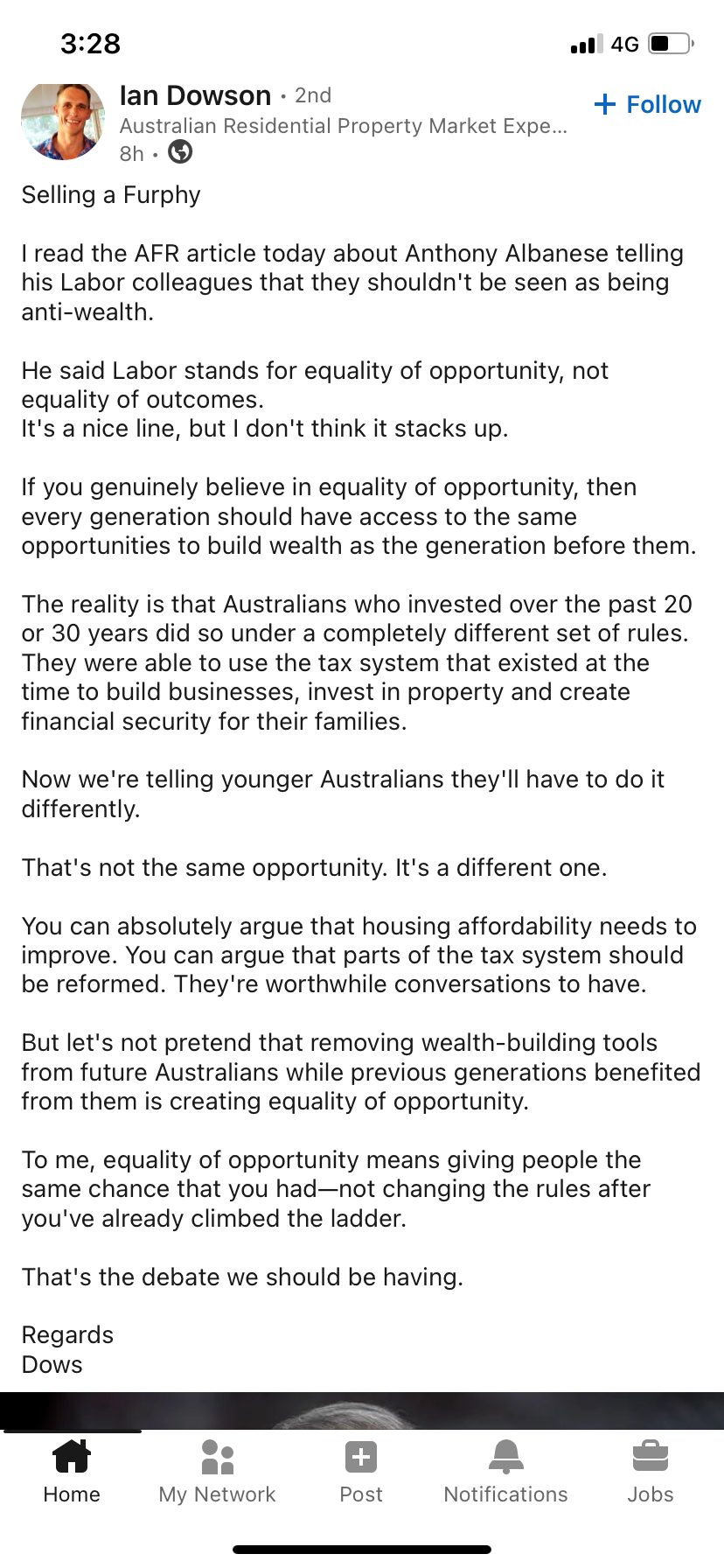
Ian Dowson LinkedIn post — The Ladder Gap, 1 July 2026
Ian Dowson, Australian Residential Property Market Expert — LinkedIn, 1 July 2026
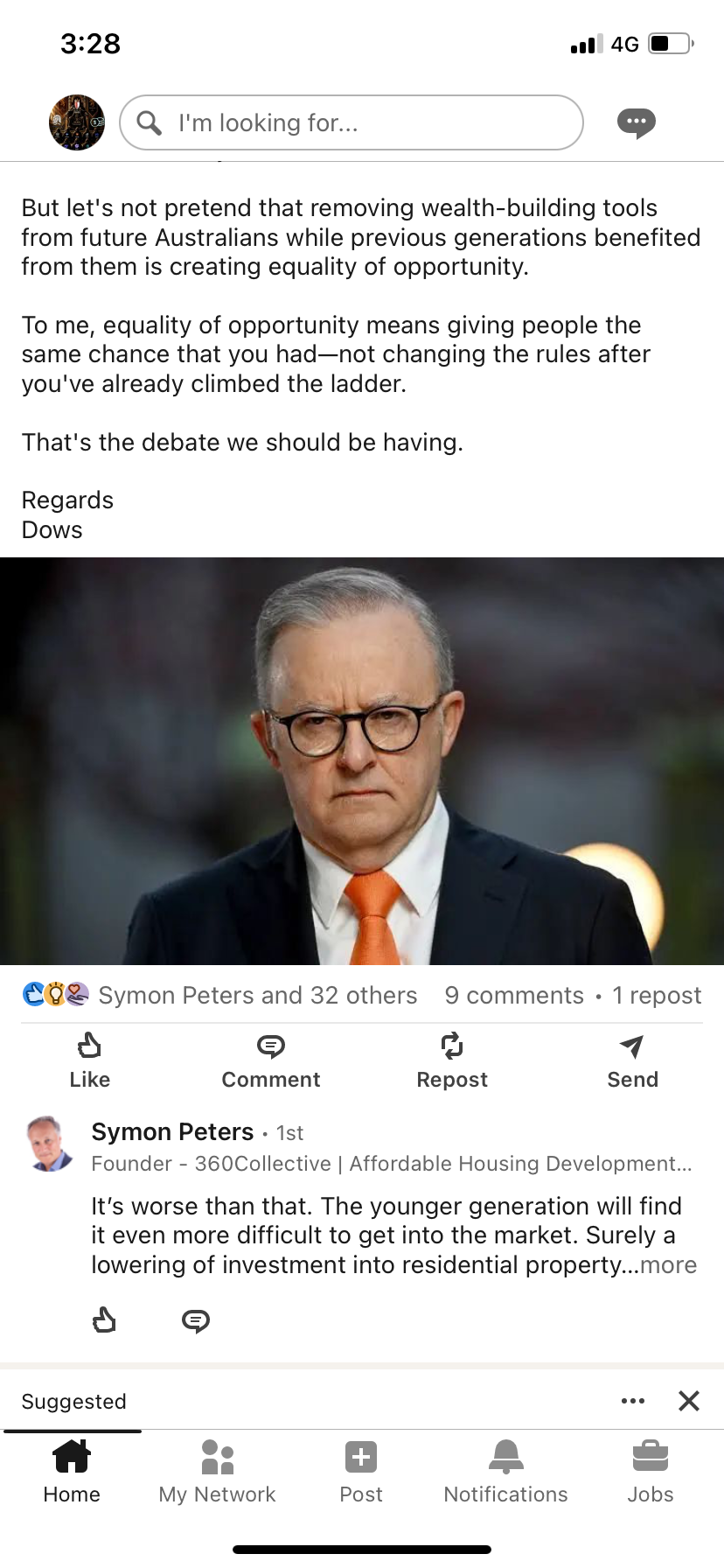
Australian Financial Review thread — The Ladder Gap response
Australian Financial Review — reader response thread on the Ladder Gap analysis

The data existed. The connection did not.

The gate comes before governance.

// 02 — THE PERMISSION INFRASTRUCTURE CHECKPOINT

Four Checkpoints. No Gate.

Checkpoint Data Present Gate Active
Original wealth-building rules established Tax and property framework documented ❌ No IntegrityNode — entry terms unverified for future cohorts
Rules modified post-benefit Legislative change logged ❌ No SmartLicence-XT cross-reference against downstream participants
New generation enters system Cohort registered, conditions different ❌ No FraudShield-AIT™ — no anomaly flag on changed permission terms
Inequality compounds Outcome data available ❌ No SELFIX — data existed in silos, systemic failure undetected
"The gate didn't disappear. It was locked after the last person climbed through. GREENOGY verifies who holds the key."
// 03 — THE GREENOGY STACK WALKTHROUGH

How the Stack Responds

Each layer of the GREENOGY stack addresses a specific failure point in the ladder gap.

⚙️
IntegrityNode
Flags when permission terms at point of entry differ from historical baseline. The gate must verify that what enters the system matches what was authorised — not what was modified after the benefiting cohort passed through.
📋
SmartLicence-XT
Cross-references licence conditions across cohorts. Same licence class, materially different terms = anomaly trigger. SmartLicence-XT detects when a permission category has had its conditions modified after the original cohort was authorised under prior terms.
🛡️
FraudShield-AIT™
Recognises systemic pattern: rules modified after majority beneficiaries have passed through = corridor signature for governance failure. FraudShield-AIT™ flags the pattern at the permission layer, not after the outcome has compounded.
💸
SELFIX
The self-correcting layer. Verifies data integrity across siloed governance records before any framework is asked to act on them. SELFIX is the layer that confirms the gate was not modified after the last authorised participant passed through — the verification that closes the ladder gap.
// 04 — THE CONCLUSION
"The audit trail is 40 checkboxes long. None verify what entered before box one. The gate comes before governance."

The Ladder Gap is not a political argument.
It is a permission infrastructure diagnosis.

GREENOGY does not debate who deserves access. It verifies whether the gate was ever honest — whether the permission terms under which a cohort enters a system are the same terms that were authorised at the point the system was established.

If the terms changed after the benefiting generation passed through, the gate was locked. GREENOGY identifies who holds the key — and whether the key ever matched the lock that was actually there.

GREENOGY PTY LTD | ACN 684 528 443

Indo-Pacific Sovereign Permission Infrastructure · rivalex.polsia.app

// GREENOGY CASE STUDY SERIES

The Series

# Case Region Failure
001 The Mayorga Gap Philippines Cross-jurisdictional security failure
002 The Ladder Gap Australia Economic permission infrastructure failure
003 The Doormat Gap Australia / Global Sovereign technology advantage unclaimed
← Case Study 001   Case Study 003 →